Buyer's guide / Structural steel
FRP Bars vs TMT Bars: Where Each One Belongs
FRP (GFRP) rebar is not a drop-in replacement for steel. See where it wins, where it fails, and why it is also used as a fence post, from a Siyaganj stockist.
Published 4 min readHM Ibrahim & Co, Siyaganj, Indore, since 1939
FRP bar is the product people ask about with the wrong question. They ask, "Is it stronger than TMT?" The better question is, "What problem am I trying to solve?"
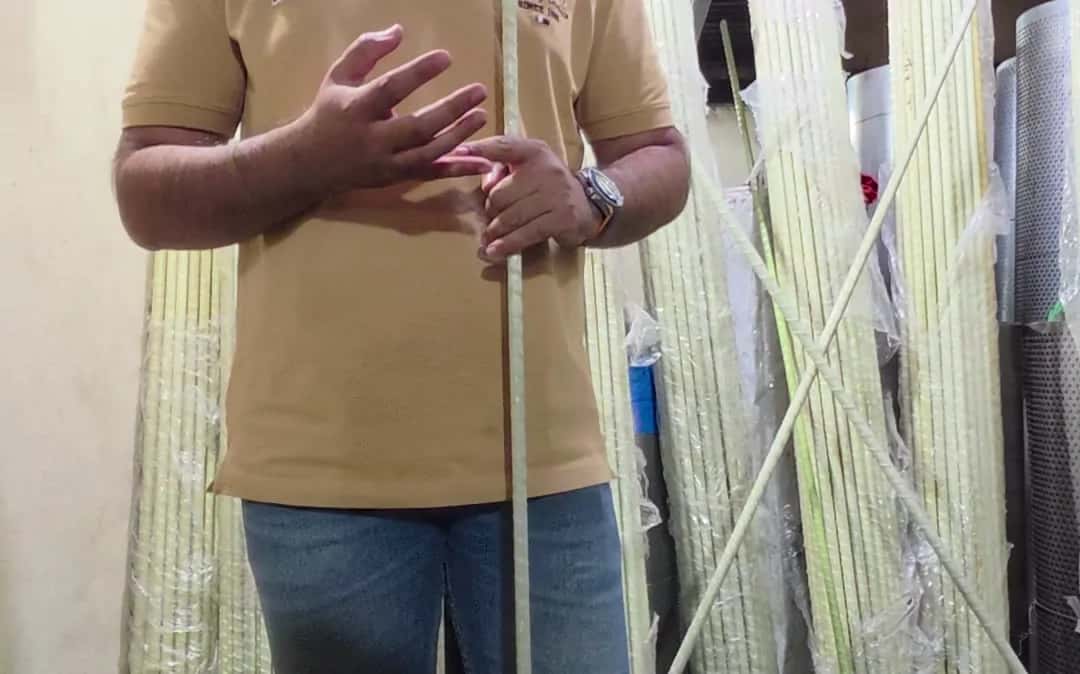
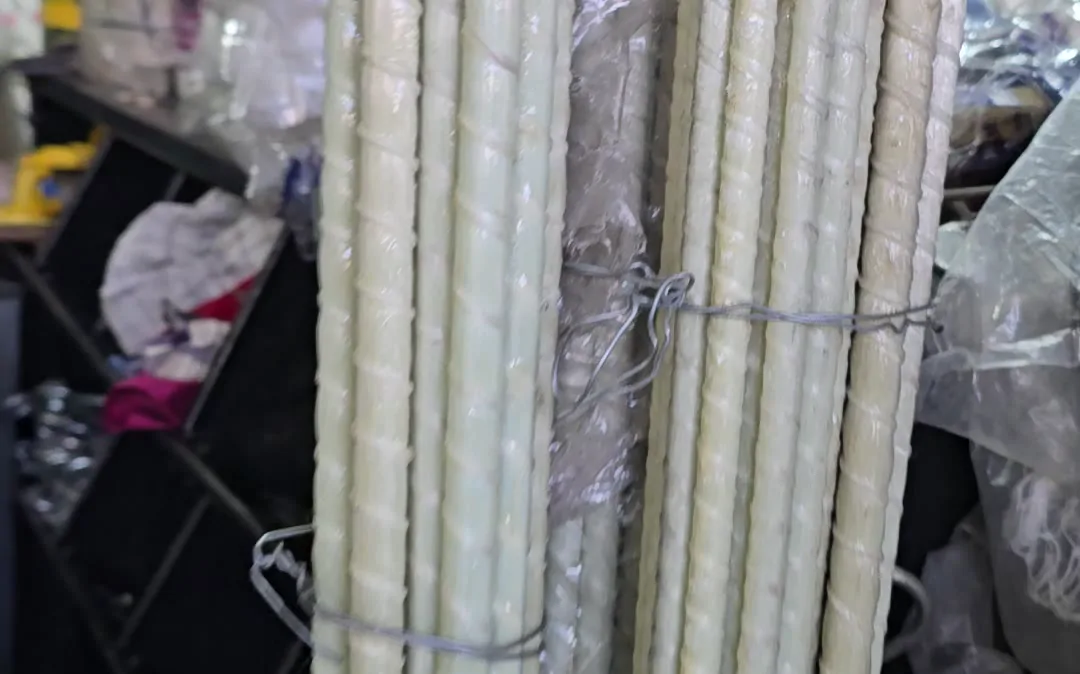
FRP (fibre reinforced polymer) bar is made of glass fibre set in resin. It looks like a pale rod with a ribbed or sand-coated surface. It is not steel and it does not behave like steel. That is the point.
What FRP does better
- It does not rust. There is no steel to corrode, so there is nothing to expand and crack the concrete from inside.
- It is light. About a quarter of the weight of steel for the same diameter. One person carries a bundle.
- It does not conduct electricity and does not interfere with magnetic or radio signals.
- It resists salt and chemicals. That matters near drains, tanks, marine work and chemical sheds.
- Tensile strength is high. Per unit area, glass FRP is stronger in tension than mild steel.
What TMT does better
- It bends on site. TMT is cut and bent into stirrups and cranks with a bar bender. FRP bars cannot be bent on site. Bent shapes must be made at the factory.
- It is ductile. Steel yields and gives warning. FRP does not yield. It stretches elastically and then breaks suddenly.
- It has a higher stiffness. Glass FRP is less stiff than steel, so slabs reinforced with it deflect more and need a different design.
- Standards are mature. Design codes, sizes and test methods for TMT are well known to every site engineer.
Where each belongs
| Job | Pick | Why |
|---|---|---|
| House slab, beam, column | TMT | Familiar, ductile, on every drawing |
| Stirrups and bent shapes | TMT | FRP cannot be bent on site |
| Sewage, drain covers, septic tanks | FRP | No rust in wet, chemical conditions |
| Seawall, jetty, salty environments | FRP | Does not corrode |
| Compound wall pillars | Depends on the design | Either material needs a suitable design and detailing. Ask your engineer |
| Fence posts for barbed wire and mesh | FRP | Light, no rust, easy to carry and set |
| Near sensitive electrical equipment | FRP | Non-conductive |
The fence post story
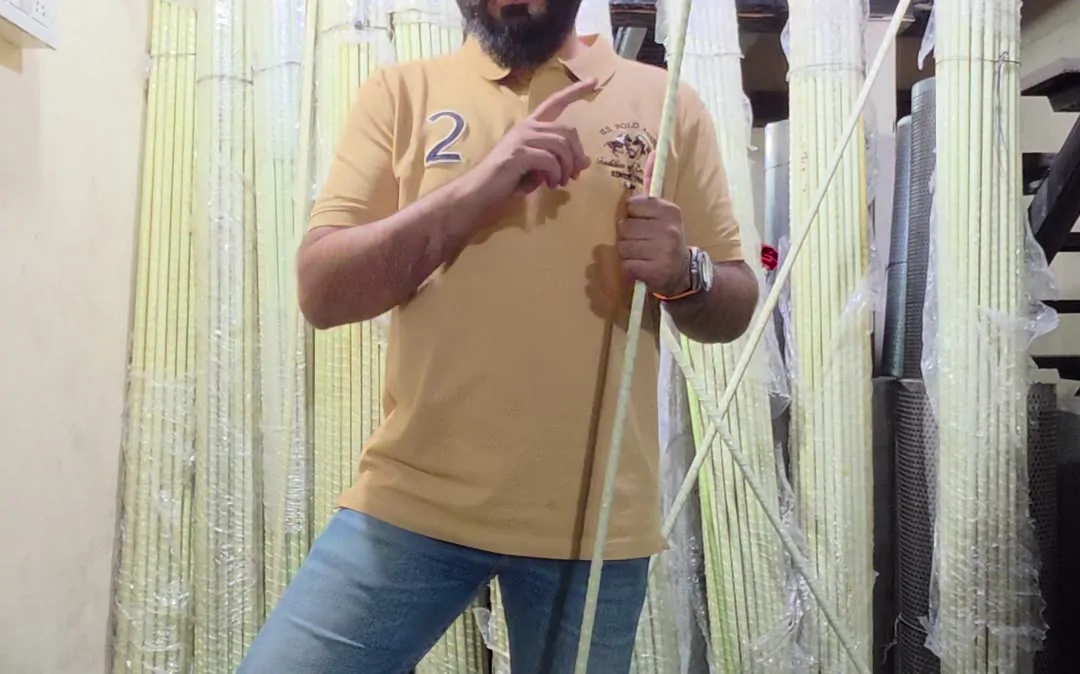
Much of the FRP we sell goes to farms. A 4, 5 or 6 foot FRP rod makes a post that does not rust in the soil, weighs next to nothing and is driven in by hand. Strung with barbed wire or jhatka wire, it is a clean fence for orchards and fields. This is why FRP also sits in our fencing material range.
Common lengths in our stock are 4 ft, 5 ft and 6 ft. The weights we have on file for a post rod (about 530 g, 660 g and 790 g) belong to a particular diameter and model, which we confirm when you ask. They do not apply across the 6 mm to 20 mm range.
What to ask before you buy
- What is it for? Reinforcement for a slab needs a structural design. A fence post does not.
- What diameter? 6 mm to 20 mm. Thicker bars are for reinforcement. Thin ones for posts.
- Who designed it? If it goes inside a building slab, your engineer must specify it.
- Which surface? Sand-coated or ribbed bars bond better with concrete.
Never substitute FRP for steel in a structural member without the engineer's approval. The two materials are designed differently.
See FRP bars and ask us for the sizes in stock.
FAQs
Can FRP replace TMT in a house slab?
Not on its own decision. The slab must be designed for FRP, because it is less stiff and not ductile. Ask your structural engineer.
Is FRP bar stronger than steel?
In tension, per unit area, glass FRP is stronger than mild steel. It is also less stiff and it does not yield, so strength alone is not the whole story.
Does FRP rust?
No. It is made from glass fibre and resin.
Can FRP bars be cut?
Yes, with a hacksaw or a cutting disc. Wear a mask because the dust irritates.
What is FRP used for in farms?
Fence posts and crop supports. It does not rust in soil and it is light to carry.
From the shelf
 Barbed WireBarbed wire for boundary and security fencing, in CM, Border and Tata Wiron.Ask for rate
 Jhatka WireJhatka machine wire for fencing and agricultural use; quality wire for boundaries and farm applications.Ask for rate
 FRP BarsFibre-reinforced polymer bars for concrete reinforcement, fencing and construction.Ask for rate
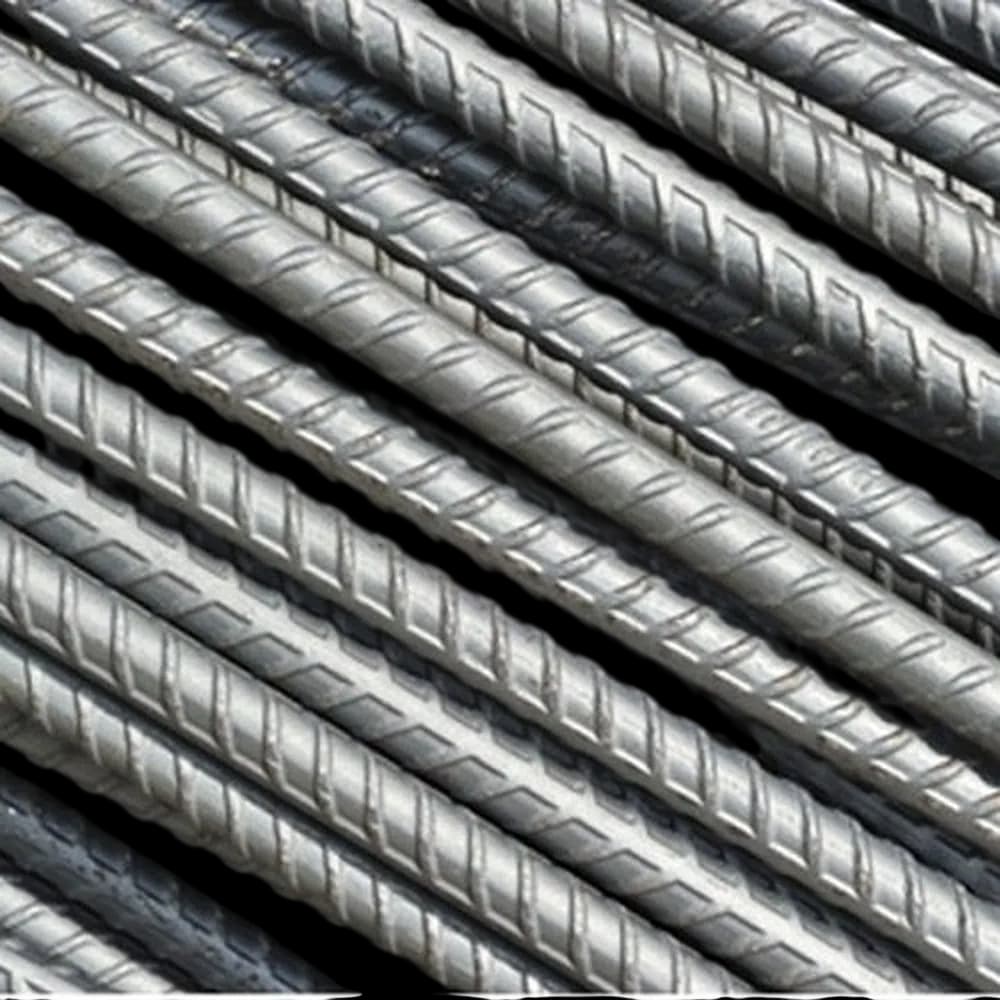 TMT BarsThermo-mechanically treated bars for reinforced concrete.Ask for rate
Keep reading
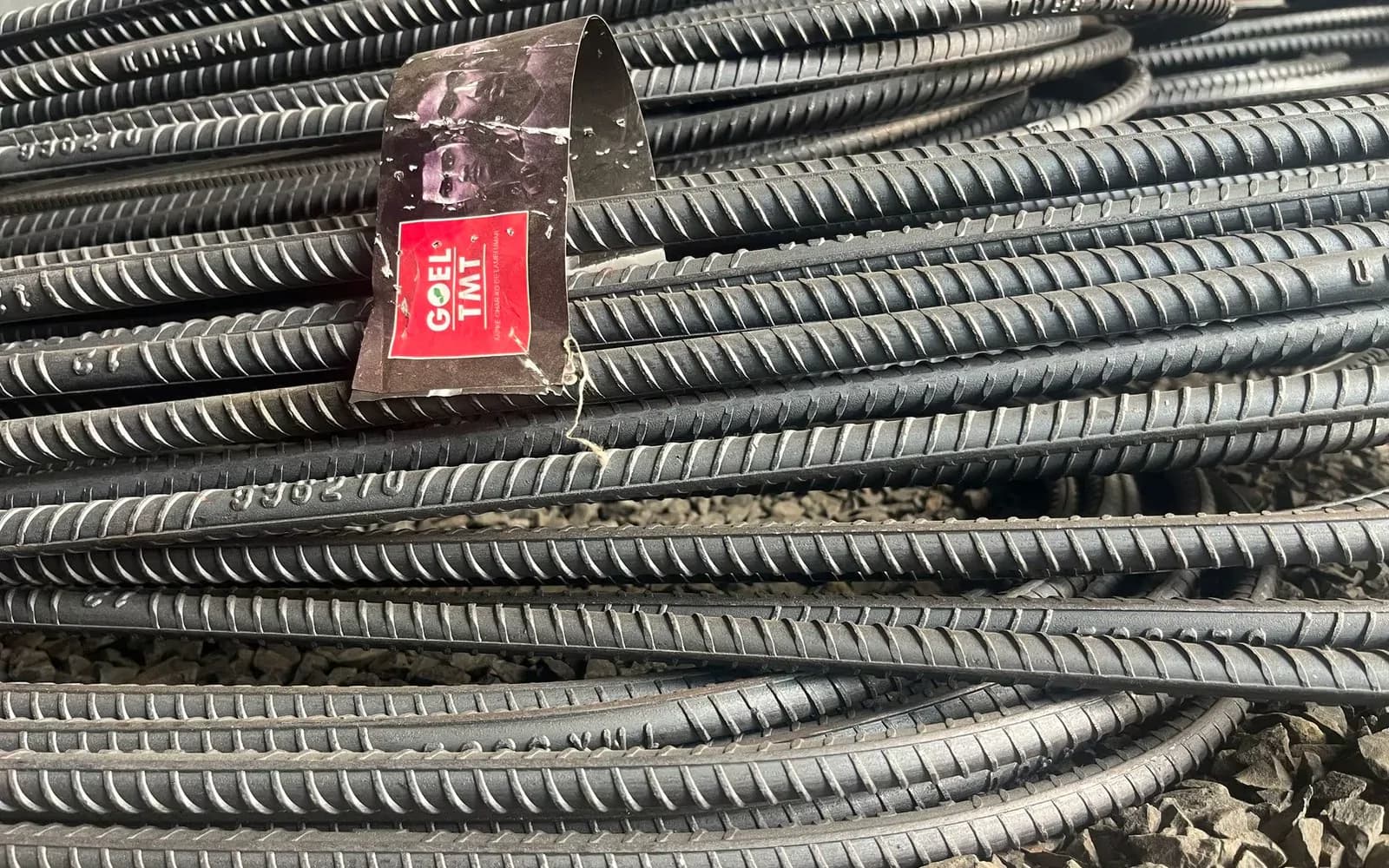 How to Choose TMT Bars in Indore: Grades, Brands, UseHow to choose TMT bars in Indore: Fe 500, Fe 550 and Fe 500D grades, common sizes, what to check, and where to buy in Siyaganj.3 min readRead
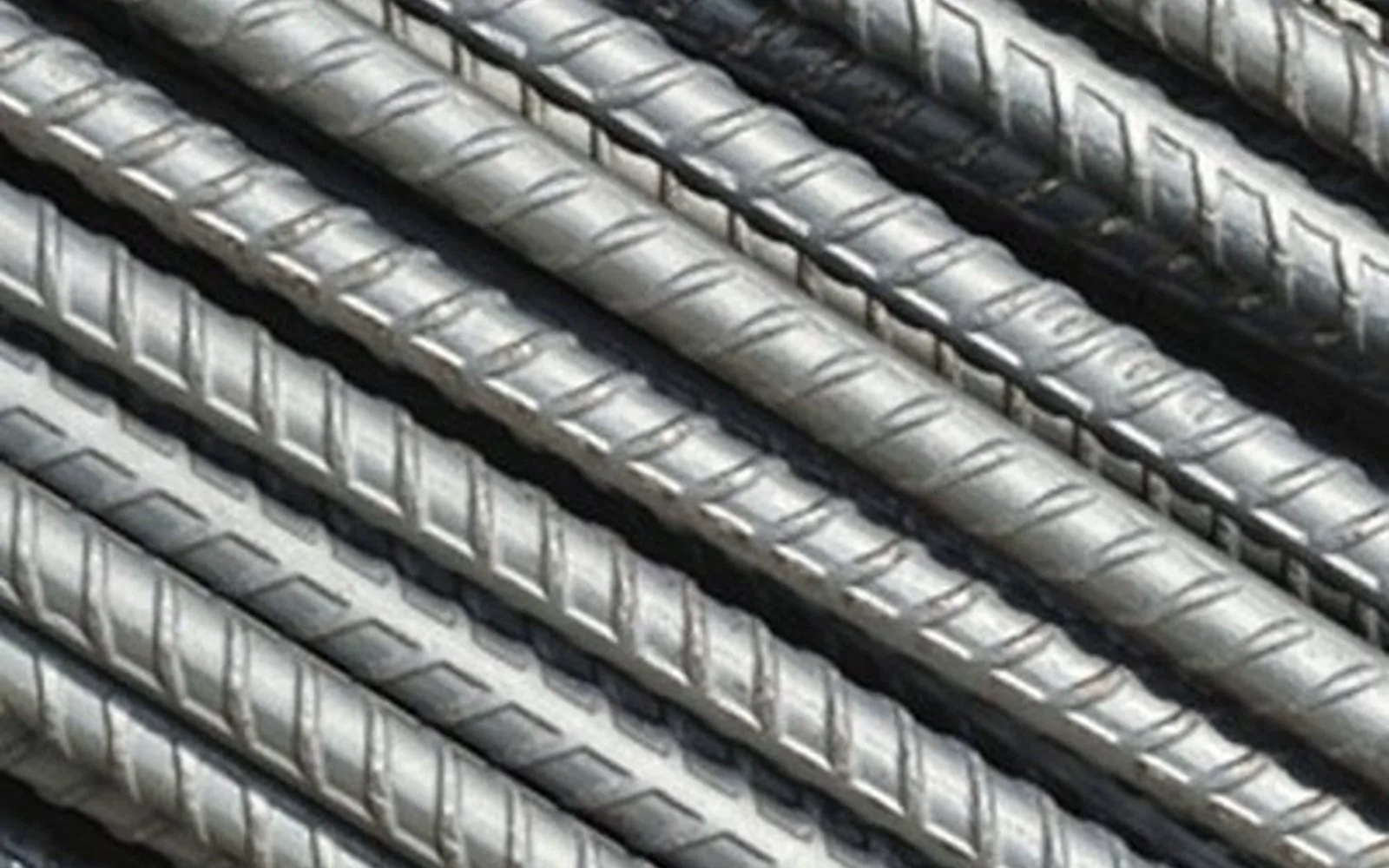 TMT Bar Weight Chart: 6–32 mm, and How to Check a DeliveryTMT bar weight per metre and per piece for every common diameter, the formula behind it, and how to check a delivery against the paperwork. From the counter at Siyaganj, Indore.5 min readRead
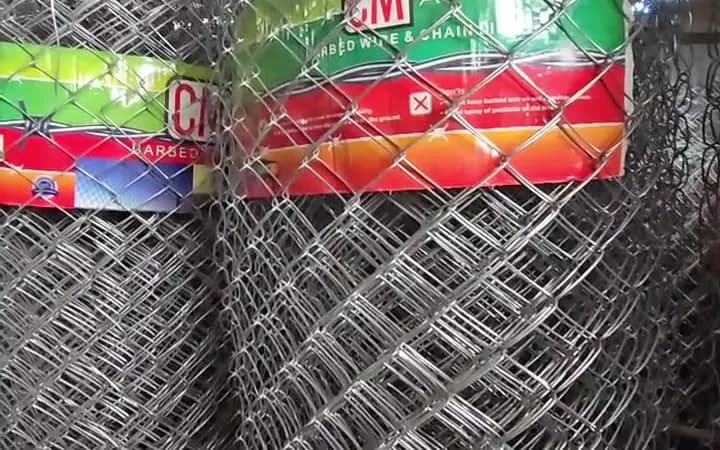 Farm Fencing in Madhya Pradesh: Posts, Wire, Angle and a Plan That HoldsHow to fence a farm or plot in Madhya Pradesh. Post spacing, wire choice, angle iron, jhatka, barbed and chain link compared, plus a material list you can send us.4 min readRead
Ask the counter
Send the product, size and quantity. We confirm stock and call back with the rate.