Buyer's guide / Fencing
Welded Wire Mesh vs Chain Link: Cost, Strength, Use Cases
Welded wire mesh or chain link? How they differ in strength, flexibility and cost, and which one suits a boundary, a partition or a slab.
Published Updated 3 min readHM Ibrahim & Co, Siyaganj, Indore, since 1939
Quick answer: Chain link is the usual choice for a boundary fence, because it is flexible, follows the ground and costs less per square metre. Welded mesh is rigid and flat, so it suits panels, partitions, cages and slab reinforcement.
In Indore, Siyaganj, and Loha Mandi, both welded wire mesh (weldmesh) and chain link are used for fencing and partitioning. They differ in how they are made, how strong they are, and what they cost. This guide helps you choose.
What is Welded Wire Mesh (Weldmesh)?
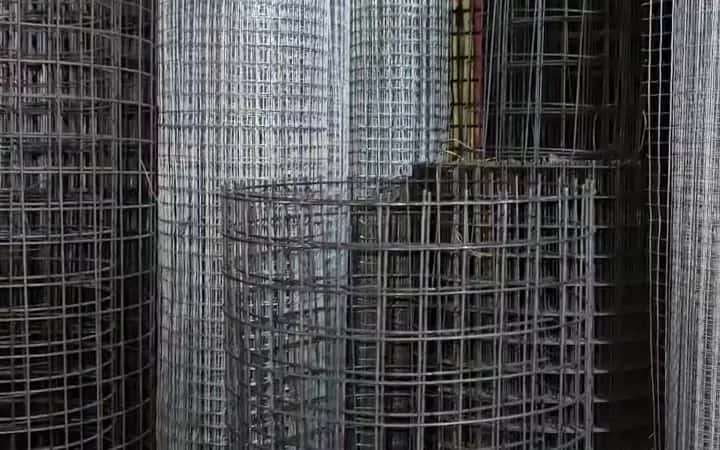
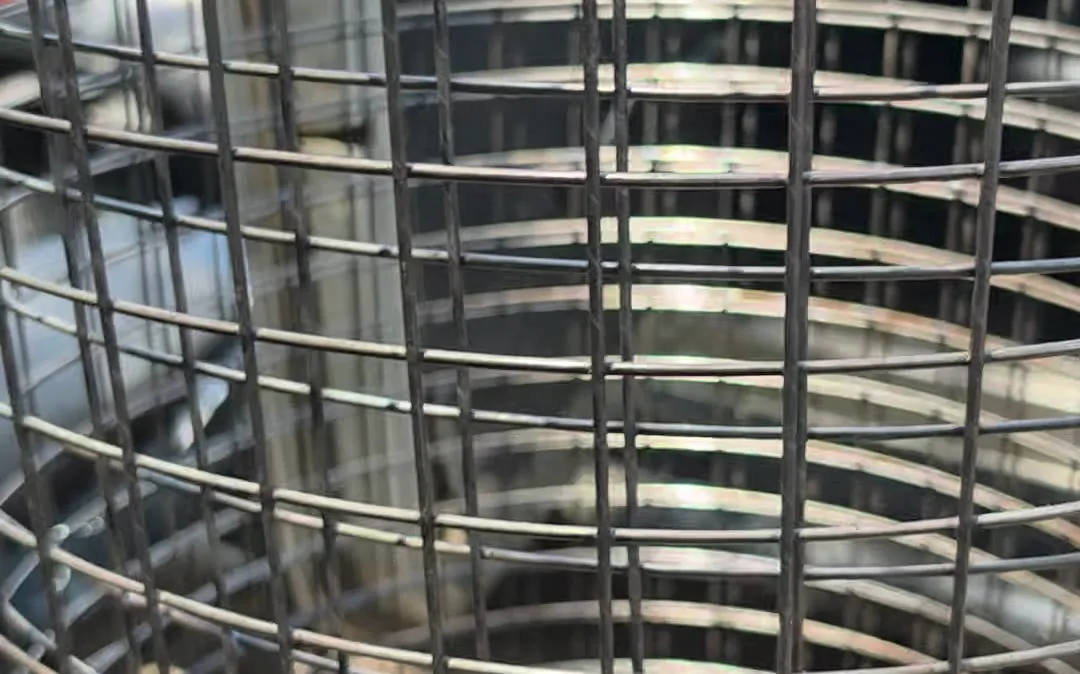
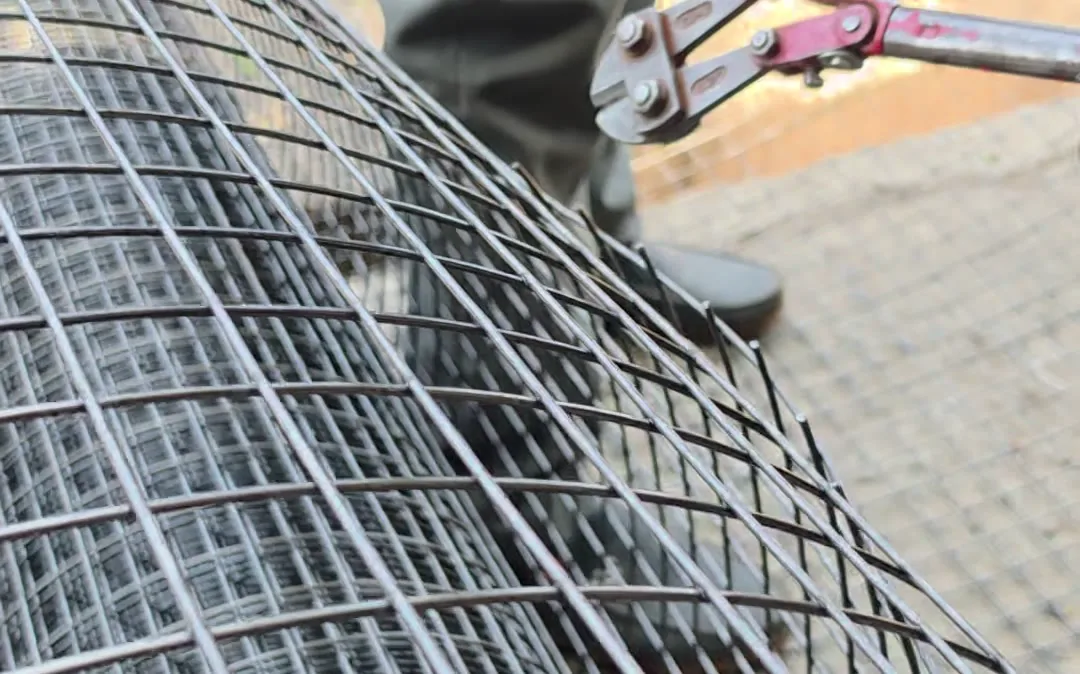
Welded wire mesh is made by welding wires at each crossing to form a rigid grid. It is supplied in rolls or sheets. Common mesh sizes in Indore include 15 x 15 mm, 50 x 50 mm, 75 x 75 mm, and 100 x 100 mm. It is used for RCC slab reinforcement, partitions, cages, and sometimes boundary fencing. GI Weldmesh and MS Weldmesh are at our Siyaganj counter. Customers often call both weldmesh and chain link "jali".
What is Chain Link?
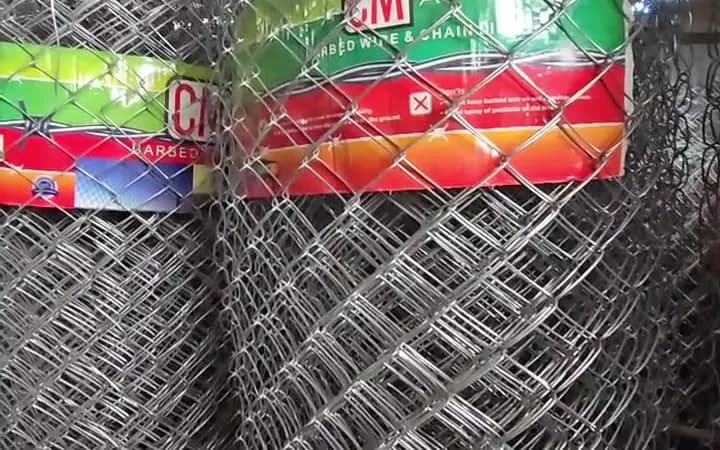
Chain link is a woven mesh of wire that is flexible and typically galvanised or PVC-coated. Mesh openings are usually 1" to 4", and heights from 3 ft to 10 ft. It is very common for compound boundaries, sports grounds, and industrial sites in Indore and nearby Dewas, Pithampur, and Ujjain. See Chain Link Fencing for options.
Strength and Rigidity
- Welded mesh: Rigid; holds its shape. Good for panels, cages, and reinforcement. Less flexible for uneven terrain.
- Chain link: Flexible; follows contours. Good for long boundary runs and curved sections.
Cost and Use Cases
- Welded mesh: Price depends on mesh size, wire gauge, and material (MS vs GI). Often used where a flat, rigid panel is needed (partitions, reinforcement).
- Chain link: Price depends on mesh size, wire gauge, height, and finish (GI vs PVC). Typically used for full-height boundary fencing.
In Siyaganj and Loha Mandi, contractors often use chain link for compound walls and weldmesh for internal partitions or RCC work.
When to Use Which in Indore
- Boundary fencing: Chain link is the usual choice for perimeter in Indore and the region.
- RCC slabs, partitions, cages: Welded mesh (GI or MS) is standard.
- Industrial partitioning: Either can work; weldmesh gives a flatter, stiffer panel.
Browse Welded Mesh and Fencing Material for full ranges.
FAQs
Which lasts longer outdoors in Indore?
Both GI weldmesh and GI chain link resist corrosion. PVC-coated chain link adds extra life. MS will rust if not painted or galvanised.
Do you deliver weldmesh to Pithampur?
We serve Indore and nearby areas. Orders accepted across India; delivery arrangements confirmed with each quotation. Ask for the rate and tell us the location.
How do I get a quote?
Specify product (weldmesh or chain link), mesh size, wire gauge, dimensions or area, and quantity. Request a quote for current Indore rates.
Sizes, gauges and ranges on this page were compared with our product list on 12 October 2026. This is a catalogue check, not an independent technical review.
From the shelf


Keep reading
 How to Estimate Material Quantity for Fencing ProjectsHow to work out the chain link, barbed wire, posts and binding wire a fence needs, with a worked example for a 100 m x 100 m plot.3 min readRead
 Barbed Wire Rate in Indore: What Decides the Price per KgWhat moves the rate of barbed wire: gauge, single or double strand, barb spacing, coil size and brand, and what to send for a quote. From a maker at Siyaganj, Indore.3 min readRead
 Farm Fencing in Madhya Pradesh: Posts, Wire, Angle and a Plan That HoldsHow to fence a farm or plot in Madhya Pradesh. Post spacing, wire choice, angle iron, jhatka, barbed and chain link compared, plus a material list you can send us.4 min readRead
Ask the counter
Send the product, size and quantity. We confirm stock and call back with the rate.